Lately, there's been a real pick-up in demand for reliable and efficient Lithium Battery Chargers. You know, with lithium-ion batteries becoming such a big deal — used everywhere from electric cars to renewable energy setups — it's no surprise. I came across a report from Grand View Research that says the worldwide market for these batteries could hit around USD 130.7 billion by 2025. That just goes to show how important it is to have top-notch charging solutions. Speaking of which, Bangzhao Electric Co., Ltd. has been in the game for over ten years, providing some pretty advanced system solutions like lithium battery storage and high-tech inverters. Choosing the right lithium battery charger isn’t just about performance — it helps extend battery life, ensures safety, and keeps things running smoothly. Whether you're a regular consumer or running a business, understanding the different features and uses of these chargers can really make a difference in meeting your energy needs without a hitch.
Understanding Lithium Battery Basics for Optimal Charging
If you really want your lithium batteries to last longer and perform better, it’s good to get a handle on how they work at their core. These batteries are pretty clever—they can charge and discharge pretty quickly with hardly any energy lost, which is why you see them everywhere these days, from your smartphone to electric cars. But here’s the thing—you need to pay attention to how you charge them. Using the right charger made for lithium batteries is super important because they’re kinda picky about voltage and current. Cheap or mismatched chargers can mess with their health over time.
Another thing to keep in mind is how you go about charging them regularly. Unlike those old-school batteries that needed to be fully drained, lithium ones actually don’t like being completely discharged. In fact, doing that can do more harm than good. The sweet spot? Keep your battery between 20% and 80%. Staying in that range helps keep the battery in good shape and gives it a longer life. And, honestly, picking a good charger that’s designed with features like temperature control and smart charging algorithms can really make a difference—it keeps things running smoothly and efficiently, all while fitting your personal usage style.
What Makes the Best Lithium Battery Charger the Ideal Choice for Your Needs - Understanding Lithium Battery Basics for Optimal Charging
| Charger Type | Voltage (V) | Current (A) | Charging Time (hrs) | Feature |
| Standard Charger | 12 | 2 | 8 | Smart Control |
| Fast Charger | 12 | 5 | 2 | Temperature Control |
| Solar Charger | 12 | 1.5 | Varies | Eco-Friendly |
| Universal Charger | 24 | 2 | 6 | Multiple Voltage Options |
Key Features to Look for in a Quality Lithium Battery Charger
Picking out the best lithium battery charger isn’t exactly rocket science, but there are a few key things to keep in mind that can really make your life easier. First off, I’d say look for a charger with smart charging tech. Trust me, that’s a game-changer—it automatically tweaks the current and voltage based on what your battery actually needs, so you don’t end up overcharging, which is a great way to make those batteries last longer. Also, you want something safe—think over-voltage protection, short-circuit prevention, and temperature controls. These safety features mean you can use it confidently in all sorts of conditions without worries.
Another thing to consider is compatibility. Make sure the charger can handle different types and sizes of lithium batteries—that way, you’re not stuck with just one kind. Chargers that have adjustable settings or come with different connectors are super handy because they give you that extra bit of flexibility, letting you use them for various devices. And if you’re like me and you're always on the go, a lightweight, portable charger is a must. You want something that’s easy to carry around without sacrificing performance. If you keep these tips in mind, you’ll end up with a lithium battery charger that’s just right for what you need—even if some details slip your mind now and then.
Industry Standards for Lithium Battery Charger Certification
When you're picking out a lithium battery charger, it's really important to get a handle on the industry standards for certification. I mean, certifications aren’t just some formalities—they actually show you that a charger meets all the safety and performance basics. Plus, they help you spot products that are trustworthy and won’t give you problems down the line. Big names like Underwriters Laboratories (UL), the International Electrotechnical Commission (IEC), and the American National Standards Institute (ANSI) set tough testing rules that chargers have to pass before they get approved. These standards cover critical stuff like energy efficiency, thermal safety, and short-circuit protection, which all help prevent damage to both the charger and your battery.
On top of that, if a charger checks all those boxes, it’s probably gonna last longer and work more efficiently. For example, chargers with an Energy Star label usually save energy and are better for the environment. And honestly, more and more people are caring about reducing their carbon footprint, so choosing a certified charger is kind of a no-brainer. Picking a product that’s certified under these standards doesn’t just mean it’ll get your devices charged — it also shows you’re making a smarter, environmentally friendly choice.
Performance Metrics of Lithium Battery Chargers
This chart illustrates the performance metrics of different lithium battery chargers based on charging speed, efficiency, temperature rise, cycle life, and cost. These metrics help in determining the best charger suited for specific needs.
How to Choose the Right Charger for Different Lithium Batteries
Picking the right charger for your lithium batteries really matters if you want them to perform well and last longer. You know, lithium batteries are everywhere these days—think smartphones, electric cars, and more—and each type has its own little quirks when it comes to charging. For example, a lithium-ion battery usually needs a charger that can handle different charge rates so it doesn’t overheat or get damaged. Meanwhile, lithium iron phosphate batteries are known for being pretty safe and stable, but they also need a specific kind of charger to help them stay efficient and healthy over time.
When you're shopping for a charger, it’s smart to check out some key stuff—like the voltage and current it puts out, whether it’s compatible with your particular battery type, and what safety features it has. The fancy smart chargers with temp sensors are pretty cool because they help prevent overheating, and if you go for one with multiple charging modes, you can pick the best setting for your battery—pretty handy, right? Oh, and if you’re juggling different devices with different kinds of batteries, it might be worth investing in a versatile charger that supports various lithium chemistries. In the end, knowing what your batteries need will help you pick the perfect charger to keep them happy and healthy for longer.
Tips for Safe Charging Practices and Maintenance of Lithium Chargers
When you're dealing with lithium battery chargers, it's super important to get a grip on safe charging habits and regular maintenance if you want your batteries to last longer and work well. Lithium-ion batteries — you know, those big players making up over 40% of the global battery market — really need a bit of special care to avoid damage and help them stay in good shape. I came across a report from Research and Markets that says sticking to good charging routines can actually boost your battery's life by up to half — pretty impressive, right? Using chargers made specifically for lithium batteries, like the ones from Bangzhao Electric Co., Ltd., is a smart move. They make sure your battery charges properly without overheating or overcharging—things that can really mess things up.
Doing some simple upkeep goes a long way too. Things like checking for any signs of wear or damage, keeping your connectors clean, and following the manufacturer's advice on how long and how often to charge can really make a difference. Plus, going for smart chargers that have features like automatic shut-off can be a total lifesaver — these kinds of chargers, which our company offers, help stop overcharging and even prevent thermal runaway, which you definitely don’t want to mess with. So, if you keep safety in mind and use reliable gear, you’ll find that your lithium batteries can last way longer and stay in really good shape over time.
Import and Export Regulations for Lithium Battery Chargers in Global Trade
 When you're working with the global trade of lithium battery chargers, it’s super important to get a handle on the different import and export rules for each country. These rules often cover safety standards, environmental stuff, and what’s needed for the chargers to work properly across borders. For example, some places might require your chargers to have certain certification marks to prove they’re safe and legal to sell there. Taking the time to really understand these regulations can save you from messy delays and help your products hit the market without a hitch.
Pro tip: Make sure to double-check the latest compliance rules before exporting to any market. Chatting with local regulatory agencies can also give you the lowdown on what certifications or paperwork you’ll need.
Oh, and don’t forget—tariffs and trade agreements can also mess with your costs. Knowing how these financial factors play out can definitely help you make smarter decisions, whether you're sourcing the chargers or selling them abroad.
Another tip: Do a bit of research on trade deals between your country and your target markets. Lucky breaks like favorable terms can save you a bunch and give you an edge over the competition.
Optimizing Energy Efficiency: A Comprehensive Guide to 3 Phase Battery Chargers Operating at 50-1000VDC
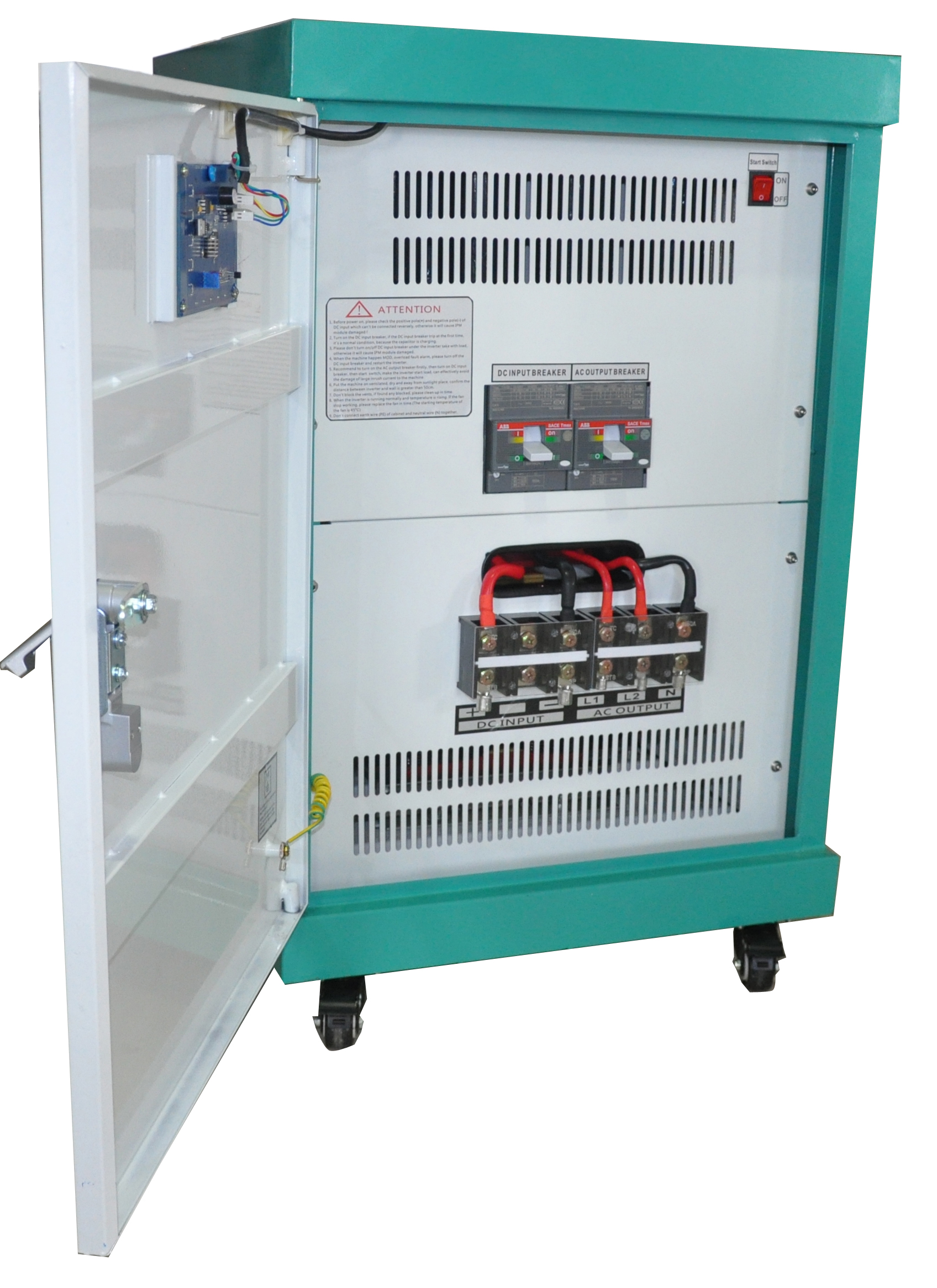
When it comes to optimizing energy efficiency in battery charging, the BEG series 3 Phase Battery Charger stands out in the realm of industrial applications. Operating within a voltage range of 50-1000 VDC, this cutting-edge charger is designed for both single-phase and three-phase AC input, providing remarkable flexibility. Its robust features—high efficiency, excellent power density, and minimal harmonics—make it an ideal solution for various battery types, including lead-acid, GEL, lithium iron phosphate, and fuel cells.
The BEG charger excels in delivering constant power output, ensuring reliable performance across different operating conditions. This is particularly beneficial for industries that require peak performance without compromising energy savings. Its wide voltage output capability allows users to tailor the charging process according to specific battery requirements, further enhancing energy efficiency during operation. As industries strive for greener and more sustainable energy solutions, the BEG series offers a practical approach to meeting these goals while maximizing battery longevity and performance.
FAQS
: Look for smart charging technology, multiple safety mechanisms (like over-voltage protection and temperature control), compatibility with different lithium battery types, and a compact, portable design.
Smart charging technology optimizes the charging process by automatically adjusting the current and voltage to meet the battery's needs, preventing overcharging and extending its lifespan.
Ensure the charger has adjustable settings or interchangeable connectors to accommodate various lithium battery types and capacities.
Lithium-ion batteries require chargers that can provide varying charge rates to avoid overheating, while lithium iron phosphate batteries may need different chargers to maximize lifespan and efficiency.
Important safety features include over-voltage protection, short-circuit prevention, temperature sensors, and automatic shut-off functions to prevent overcharging.
Regular maintenance, such as checking for wear, cleaning connectors, and adhering to charging guidelines, can significantly enhance charger performance and battery lifespan.
Utilize chargers designed for lithium batteries, avoid overcharging, implement smart charging protocols, and ensure that connectors are clean and in good condition.
Proper charging practices can improve lithium battery life by up to 50%, according to industry reports.
Improper charging can lead to overheating, overcharging, and potential thermal runaway, which can damage the battery and pose safety risks.
A versatile charger that supports various lithium battery chemistries can save you time and enhance convenience, making it easier to charge different devices efficiently.