




News
How do Shore Power Converters Work?
What is Shore Power and What is it Used For?
Shore Power refers to the electrical power received from a land power source by a marine vessel. When a ship or boat docks at a port, it can connect to the local electric supply providing a shore power system. Once connected, the vessel can turn off its onboard generator(s), which decreases fuel consumption, lowers maintenance costs, decreases pollution, and supports current trends toward sustainable practices in the marine industry.
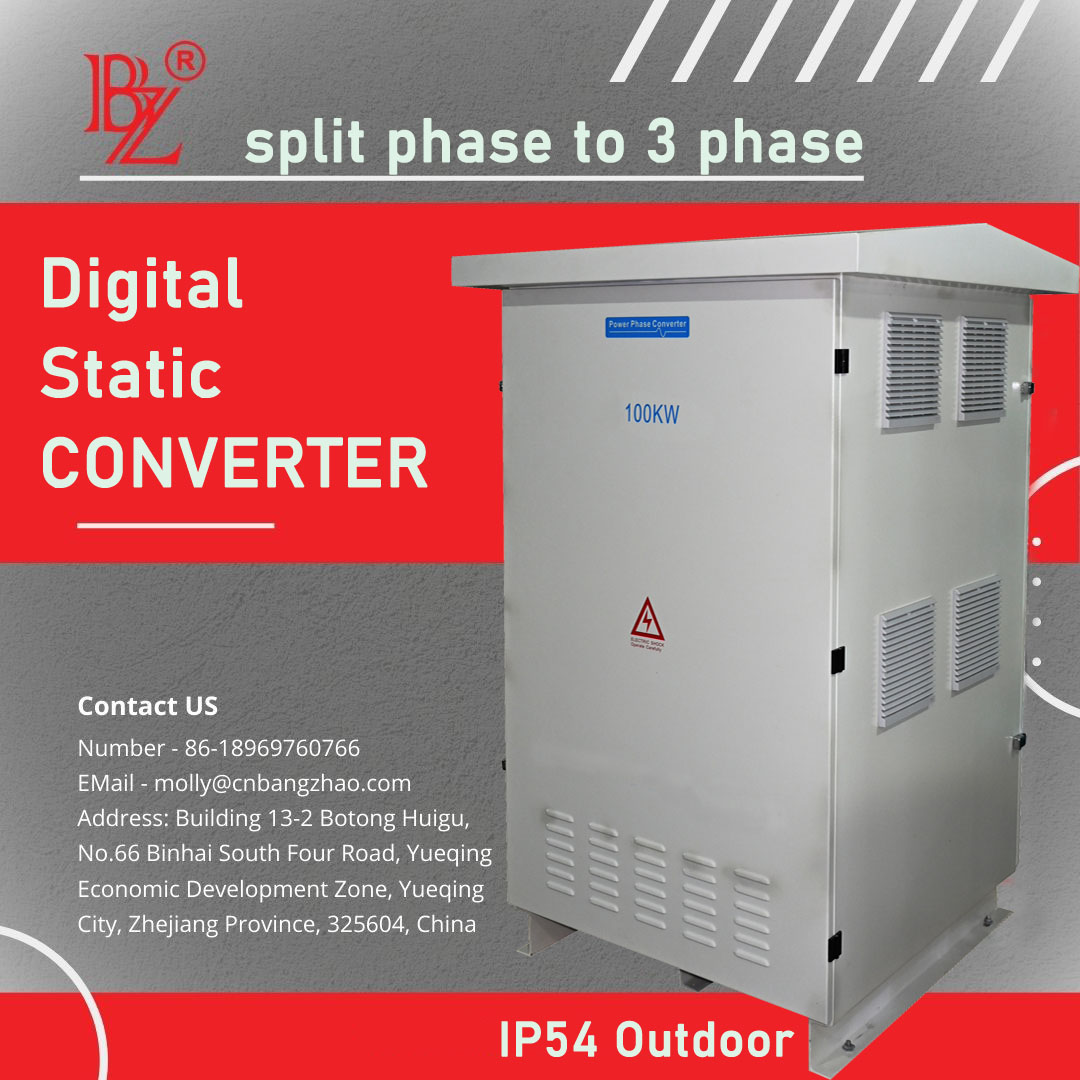
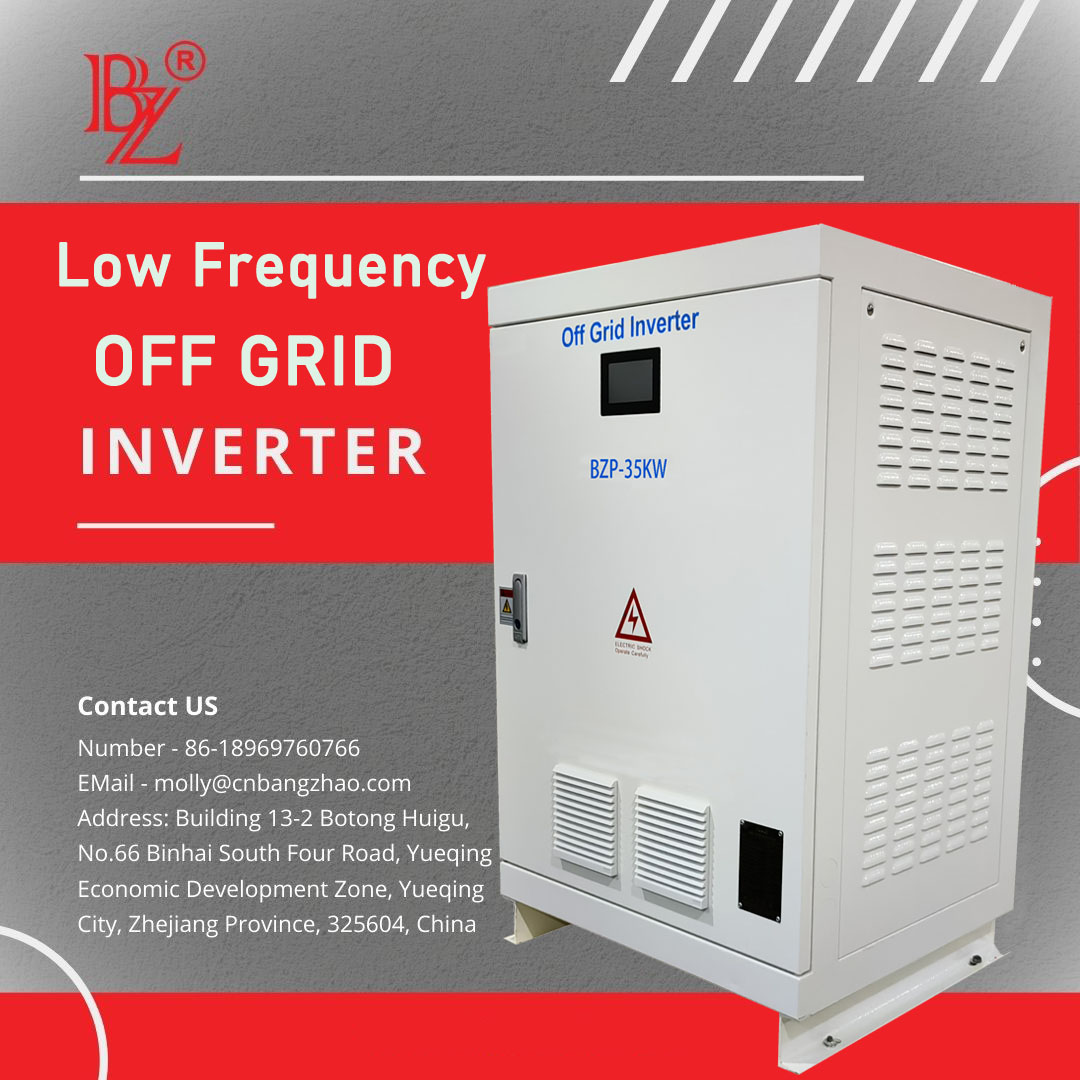
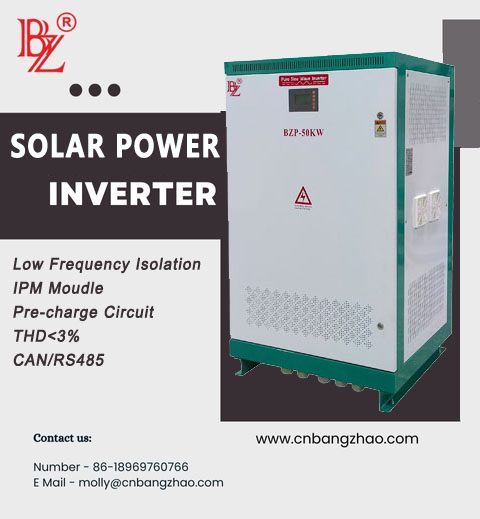
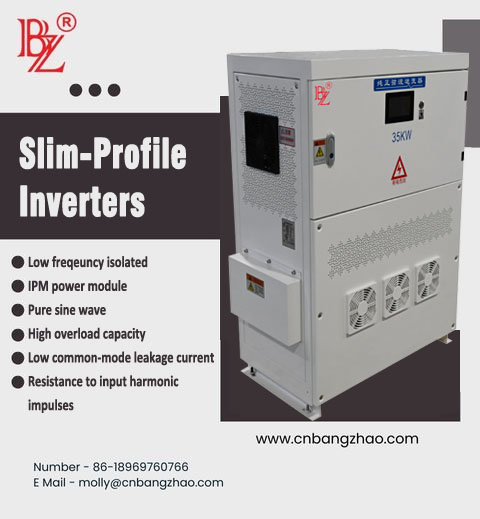
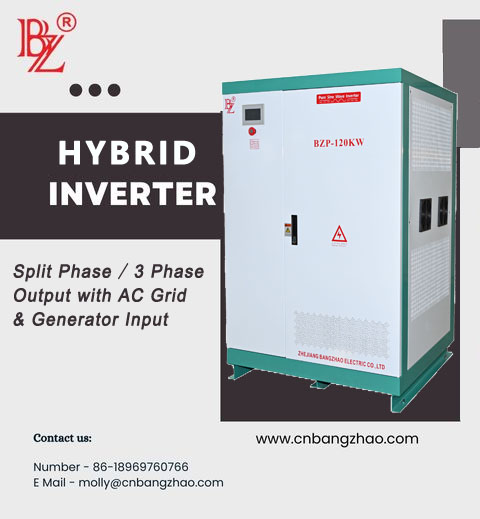
A Shore Power Converter acts as a bridge between the vessel's onboard electrical system and the electrical power from the local land-based electric grid. The main purpose of a shore power converter is to convert the electrical characteristics of the local power supply to meet the electrical specifications of the vessel's electrical system (voltage, frequency, phase). If the shore power converter were NOT used, there could be possible damage to equipment, undesirable service interruptions, and potential safety hazards from connecting two systems that are not compatible with each other.
How do Shore Power Converters Work?
When vessels are at port, the marine electrical system will not be the same as the local land-based utility supply. As an example, while the shore power provides 230V at 50Hz, the onboard system requires 110V at 60Hz. So a boat shore converter is designed to bridge this gap by:
- Transforming the voltage of the AC source to meet the vessel’s specifications.
- Adjusting the frequency of the shore power to a level necessary for synchronization with the other onboard systems.
- Providing stable power to sensitive devices, such as navigation and appliance equipment, on the vessel with an adequate supply of shore power.
There are also varying international electrical standards to consider when using shore power converters. To illustrate:
All shore power systems must convert foreign voltages (220/240V) to the U.S. standard voltage of 120/240V. Most global electrical systems (such as China, the UK, and Europe) operate at 220-240 volts, which emphasizes energy conservation. However, lower voltages of 100-130 volts are utilized in the U.S. and Japan, where electrical safety considerations take precedence over energy conservation. In addition, transformers are generally required to reduce (step-down) higher voltage levels (such as 220 volts) to 120 volts for low-voltage applications (such as lighting) or to increase (step-up) low-voltage levels (such as 100 volts) to 120 volts for high-voltage applications (such as air conditioning). For example, converting 220-volt equipment from China would require using a step-down transformer to reduce the voltage to 120 volts, while converting 100-volt equipment from Japan would require a step-up transformer to increase its voltage to 120 volts. In addition to voltage matching, you should also consider any potential differences in frequency, like China's 50Hz compared to America’s 60Hz; this could require additional adjustment to equipment to operate correctly.
Key Features and Advantages of A Marine Shore Power Converter
There are many reasons why you should invest in a quality shore marine power converter, including:
1. Compatibility With Different Ports: Various ports worldwide utilize different electrical standards, and having a converter will allow you to interface your vessel properly with these different standards on the shore power you will plug into.
2. Less Emission & Noise: By using shore power and not running onboard generators when connected, vessels will produce less air pollution and significantly reduce noise levels, thus helping create a quieter, cleaner environment.
3. Increased Safety: Having a proper voltage frequency conversion is crucial for minimizing potential electrical hazards and enhancing the safety of both the vessel’s equipment and the crew and passengers.
4. Cost Savings: By using local electricity versus running fuel-powered generators, most boaters can save a considerable amount of money on fuel and maintenance expenses.
Things to Consider Before Buying A Shore Power Converter
Before you go out looking to buy a shore-to-ship power converter, there are several things to take into consideration to make sure you purchase the correct system for your vessel:
1. Power Specifications: Ensure that the input/output voltage, frequency, and phase settings match your vessel's systems and the standard shore power you'll plug into at the ports you visit.
2. Cost Range and Budget: Cost varies significantly between different types of shore power converters because of differences in capacity and features. A great way to research the different price ranges is by doing internet searches such as “cost of shore power converter” or “shore power converters for sale.”
3. Installation and Maintenance: When having your system installed or serviced, always use a professional technician. By using professionals to install and service your system, you ensure that your system will maintain its safety/reliability for many years.
4. Size and Portability: If you own a small/medium size vessel, consider purchasing a small, portable shore power converter design if you want to maximize space.

Shore Power Converters FAQ
What is the purpose of a power converter?
A power converter allows for the safe and efficient transfer of electrical energy from one system that creates electricity (voltages/frequencies) into another system that uses different standards. For example, in the case of marine vessels, the equipment being used will run off shore-supplied electrical power, regardless of whether the local grid uses different voltage/frequency than equipment onboard the vessel—this is the purpose of the shore converter.
Are shore power supplies random or alternating current?
Shore power is usually supplied as alternating current (AC). Therefore, when using a shore power converter to convert this AC energy into a usable energy type for use on the vessel, it's going to require some type of AC/DC conversion. If your onboard equipment requires DC voltage, you would need to convert from AC to DC.
What does shore power mean?
Shore power is the process of supplying electrical energy to marine vessels that are resting at a port, eliminating the need for the use of onboard generators and resulting in reduced fuel consumption and less environmental impact.
Why Does Your Vessel Need A Quality Shore Power Converter?
Whether you are a recreational boater or a commercial operator, a quality shore power converter is an integral component of providing safety and reliability for marine operations. A quality shore power converter ensures compatibility with varied port systems, enhances safety, reduces environmental impact, and minimizes operational costs. Additionally, by investing in a high-quality shore power converter, vessel owners can save money by avoiding time-consuming repairs and downtime, making it a wise long-term investment.
To Conclude
Due to its importance, each vessel requires an appropriate shore power converter so it can efficiently and effectively transfer power from shore to ship. An effective shore power converter ensures smooth operations by adapting varied shore-based power systems to the vessel’s requirements. Whether you are in the market for an affordable option or a high-end model, it’s essential to consider compatibility, safety features, and maintenance needs. With the right shore power converter, your vessel will benefit from reduced operating costs, a safer environment, and a smaller environmental footprint. Choose a marine shore power converter that fits your needs today!